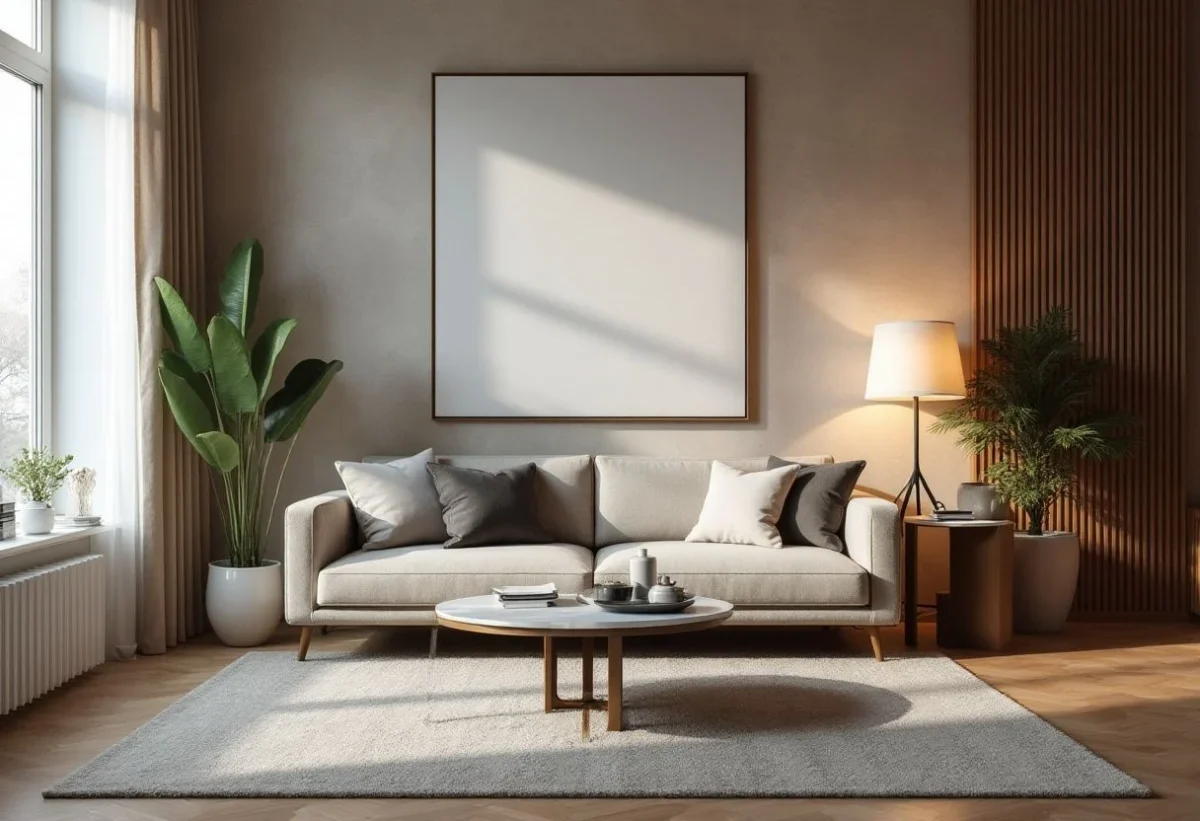
The sofa, the centerpiece of our interiors, transcends its utilitarian function to become a vector of conviviality and relaxation. For centuries, it has evoked comfort, elegance, and style in our homes. Whether you are seeking a cozy refuge after a long day or wish to host your guests in a warm setting, the sofa proves to be an unwavering ally. But how has this piece of furniture become so indispensable, and what evolutions has it undergone over time?
Origins and Evolution of the Sofa
The journey of the sofa is as fascinating as it is varied. From ancient civilizations to our contemporary interiors, this piece of furniture has managed to adapt and evolve.
The earliest traces of what could be considered sofas date back to Antiquity, with the daybeds used in ancient Egypt and Greece. These pieces, although rudimentary, laid the foundations for the comfort and aesthetics we appreciate today.
- The Middle Ages saw the evolution towards wooden benches covered with cushions, a notable advancement towards modern comfort.
- During the Renaissance, the sofa was enriched with more precious materials and more sophisticated designs, reflecting wealth and power.
- The 18th century marks the rise of the sofa as we know it, with the introduction of upholstered structures and various fabrics.
The 19th century brought the industrial revolution, allowing for mass production and broader access to this now iconic piece of furniture.
The Different Types of Sofas
From one model to another, the sofa comes in various shapes and functionalities, adapting to the needs and tastes of everyone.
- Straight Sofa: classic and timeless, it fits perfectly into all types of interiors.
- Corner Sofa: ideal for maximizing space, it is perfect for large families or gatherings with friends.
- Convertible Sofa: a true hero of small spaces, this model transforms into a comfortable bed in no time.
- Modular Sofa: it offers unparalleled flexibility, allowing you to reconfigure your living room according to your desires.
Each type of sofa meets specific criteria of style and functionality, making the choice both exciting and sometimes complex.
Materials and Textures: A World of Possibilities
The selection of materials and textures plays an essential role in the character of a sofa, influencing both its aesthetics and durability.
Leather, for example, offers timeless elegance and remarkable longevity. Cotton or linen fabrics bring a touch of softness and comfort, conducive to a cozy atmosphere. For those seeking more economical options, the cheap sofa in microfiber is an interesting alternative, combining aesthetics and ease of maintenance.
The choice of materials is also guided by practical considerations, such as stain and wear resistance, crucial in homes with children or pets.
The Sofa in Interior Decoration
Beyond its primary function, the sofa plays a key role in harmonizing interior decoration.
Placed at the center of the living room, it naturally draws the eye and can serve as a starting point to define the entire color palette and textures of the room. Cushions, rugs, and curtains can be chosen to complement or contrast with the sofa, creating a unique and personalized atmosphere. The arrangement of the sofa, moreover, affects the dynamics of the space, influencing the flow and conviviality of the room.
Finally, choosing a sofa with bold shapes or vibrant colors can transform an ordinary space into a place of character and personality.