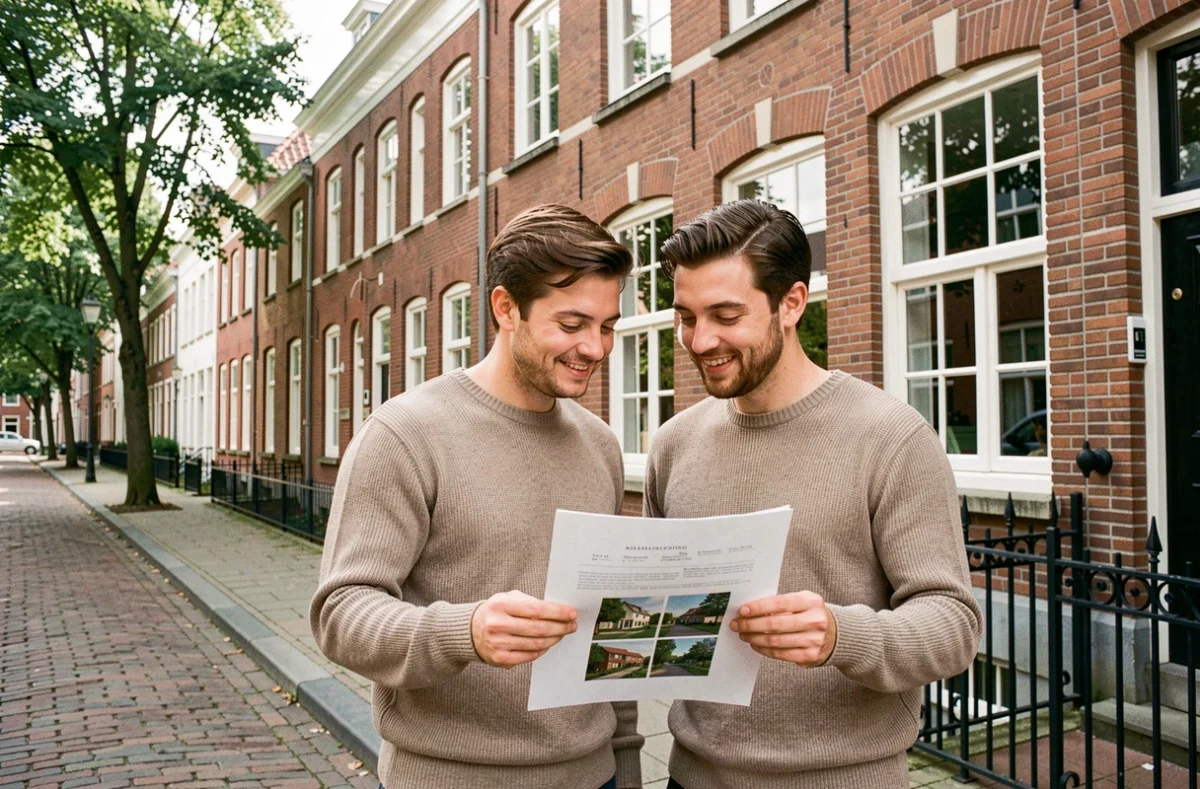
Searching for real estate in Belgium often means browsing through dozens of listings every evening, visiting apartments or houses on weekends, only to realize that the listed price tells only part of the story. The true cost of a real estate purchase is hidden in notary fees, interest rates, necessary energy renovations, and monthly charges. Finding the ideal property starts with learning to look beyond the sale price.
True cost of buying real estate in Belgium: beyond the listed price
You’ve spotted a house at an attractive price in a Walloon municipality or an affordable apartment on the outskirts of Brussels. The natural reflex is to compare this amount to your savings and borrowing capacity. This comparison is misleading if it stops there.
The listed price represents only a fraction of the total budget. Registration fees, notary fees, bank processing fees, and remaining balance insurance add up as soon as you sign. In Belgium, these additional costs can represent a significant portion of the purchase price, varying by region (Flanders, Wallonia, Brussels) and property type.
The energy performance certificate (PEB) deserves special attention. A property rated in the low category (E, F, or G) implies energy renovation work that may be mandatory according to a regional schedule. Roof insulation, window replacement, installation of an efficient boiler: these items can significantly increase the bill by several tens of thousands of euros. Tools like immowatcher.be allow you to track the market and identify properties that meet your actual criteria, not just the face value.
Finally, if you’re buying an apartment, the condominium fees represent a recurring cost that is often underestimated. Always ask for the minutes of the last general assemblies: they reveal the voted works, reserve funds, and any potential disputes.

Mortgage and rates in Belgium: calculating your real capacity
The credit market has evolved. Interest rates have risen compared to the historically low levels of previous years. In practical terms, a higher rate reduces your real estate purchasing power even if prices remain unchanged.
Why is this so crucial? Because a one-percentage-point difference on a long-term loan significantly alters the monthly payment and the total financing cost. Before visiting a single property, make an appointment with at least two or three banks to compare:
- The proposed rate (fixed or variable) and its duration, as a variable rate may seem attractive at first but then increase significantly
- The processing fees and borrower insurance conditions, which vary from one institution to another
- The maximum amount the bank is willing to finance, taking into account your personal contribution and existing charges
Belgian banks generally require a personal contribution. Without sufficient savings, financing becomes more expensive or simply inaccessible. Defining your budget before searching helps avoid falling in love with a property that is out of reach.
Real estate search by municipality: why national averages are misleading
National statistics on the Belgian real estate market mask very contrasting realities. The median price of a house varies significantly from one municipality to another, even within the same province.
In the Namur province, prices have crossed thresholds that make access difficult for some budgets. In the Ardennes, after a period of high activity, the market shows signs of slowing down. In Brussels, prices remain the highest in the country. On the Belgian coast, the apartment segment is on the rise again.
Defining your search area differently
Instead of reasoning by administrative region, start from concrete criteria:
- The commuting time you are willing to accept, considering public transport and not just the car
- The proximity of schools, shops, and health services, especially if you are buying to live there for several years
- The local market dynamics: a property in a municipality where sales are stagnant will be harder to resell
- Planned urban development or infrastructure projects, which can enhance or diminish a neighborhood’s value
Comparing municipalities to each other, not regions, helps identify opportunities that overall averages obscure. A municipality bordering a sought-after city sometimes offers a much better value for money.
Visits and checks: the points that listings do not show
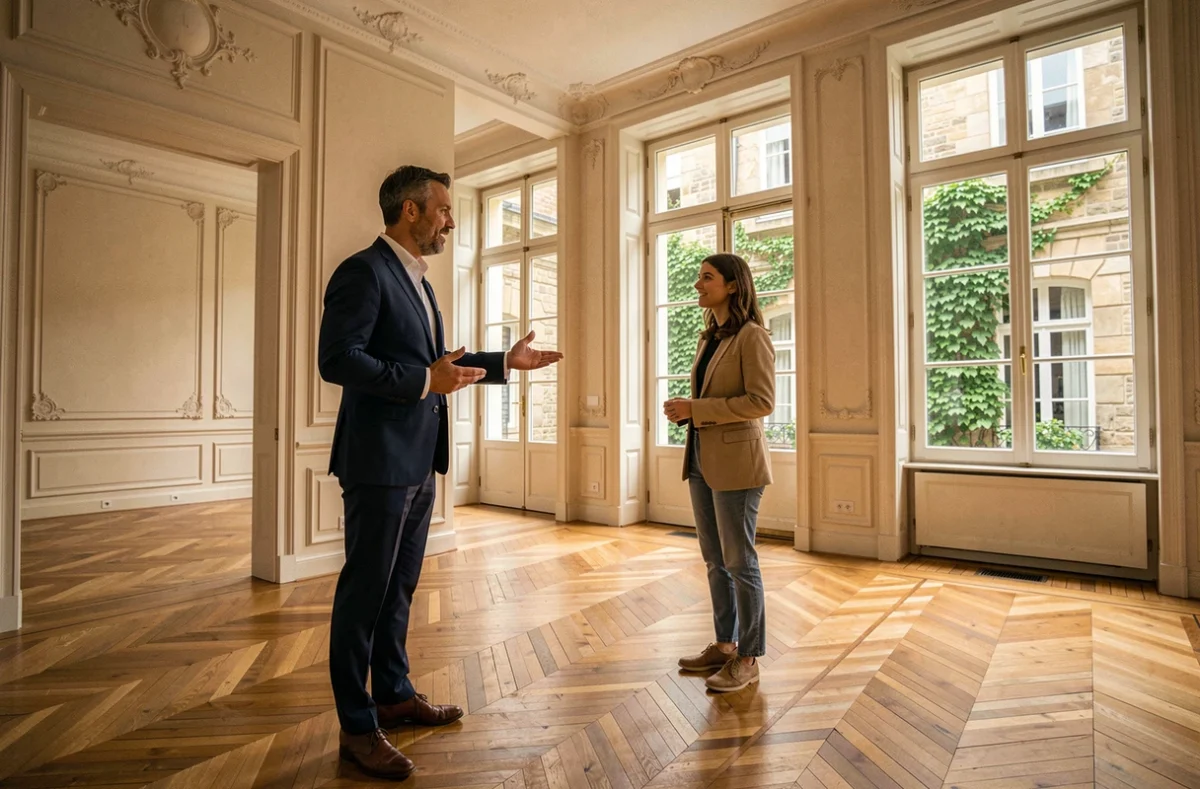
A real estate listing highlights the property’s strengths. The flaws, however, are discovered on-site, and sometimes only by asking the right questions.
During each visit, examine the displayed PEB certificate. An energy-intensive property incurs high heating bills and, depending on the region, an obligation to renovate within a defined period after purchase. The PEB directly influences the cost of ownership over ten or fifteen years.
Check the condition of the roof, electrical installation, and plumbing. These three areas represent the most expensive and least visible renovations during a quick visit. If you don’t have the eye for it, an architect or building expert can accompany you for a pre-offer inspection.
For an apartment, reviewing the condominium accounts and general assembly minutes is just as revealing as the physical visit. A façade renovation voted but not yet billed, an elevator at the end of its life, an insufficient reserve fund: these elements can turn an attractive price into a bad deal.
The purchase offer and the sales agreement
Once the property is found, the purchase offer legally binds the buyer in Belgium. Write it precisely, mentioning the conditions precedent (obtaining credit, results of an appraisal). The sales agreement, signed later in front of a notary, formalizes the transaction. At this stage, going back becomes very difficult.
The Belgian market remains dynamic, with a notable increase in transactions across several segments. This competition among buyers sometimes pushes for quicker decisions. Taking the time to verify the total cost of the property, including renovations, financing, and charges, remains the best protection against a hasty purchase that could become a lasting financial burden.