
Preparing for the CPE exam is not just about piling up notes on the education system. With a success rate of around 15% in the written tests, selection relies as much on the ability to analyze concrete situations as on mastery of official texts. Here are ten actionable tips to structure a solid preparation focused on the realities of the job.
1. Map out the instances of school life before touching a textbook
You may also like : The secrets to an effective sanitation system: tips for a successful toilet installation
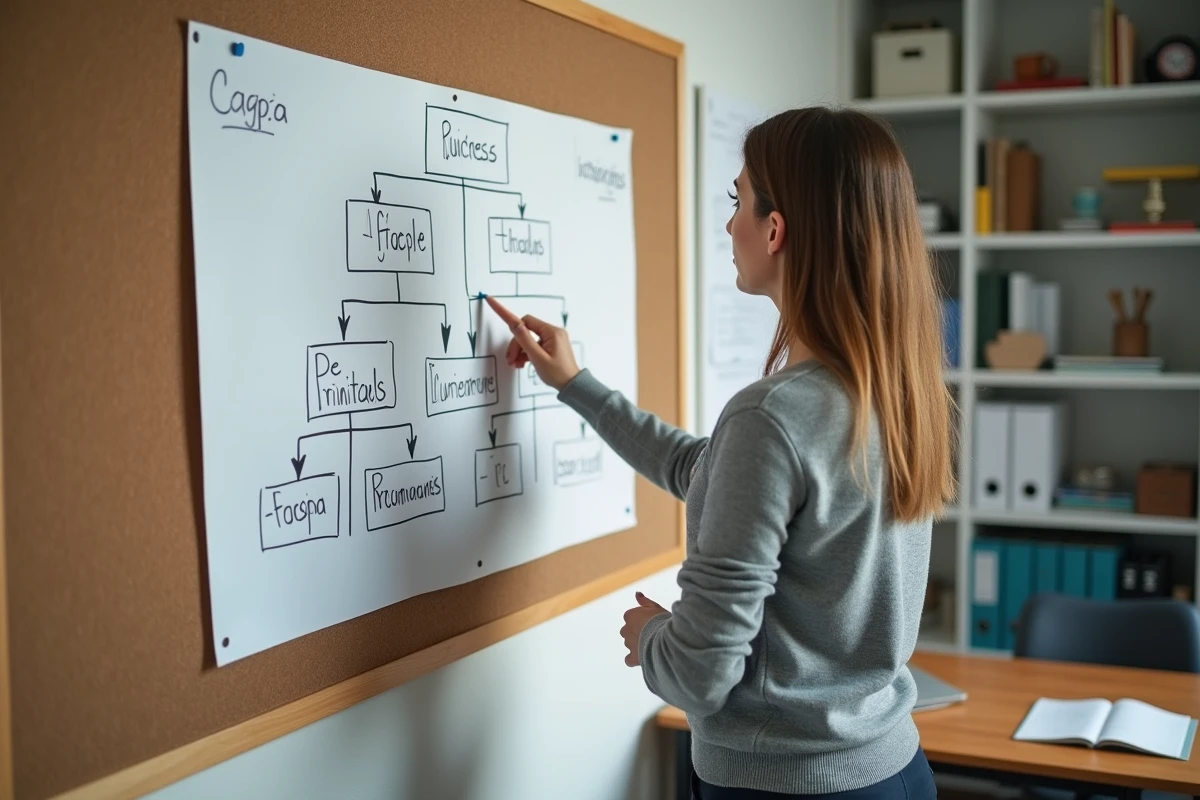
You know the acronym CESC, but do you know the precise role of the CPE in a disciplinary council or a CVL? Exam topics now include files on co-education with families and participation in instances (CVC, CVL, CESC, disciplinary councils). Mastering these frameworks from the start allows you to understand regulatory texts in their real context, not as abstract lists.
Start by creating a personal flowchart: who sits where, what is the decision-making weight of the CPE, what are the participation obligations of students and parents introduced by the texts of 2023-2024. This mapping work structures all of your subsequent revisions.
Read also : What are the essential tools in woodworking?
2. Work on scenarios of cyberbullying and digital regulation

Jury questions regarding the management of cyberbullying, the use of social networks, and the regulation of smartphones are now considered essential scenarios for the oral exams. Preparing these themes means working on an angle that many candidates neglect by focusing on more classic topics.
For each scenario, write a structured response: applicable legal framework, CPE’s stance, coordination with the educational team, communication with families. This format will also serve you for other types of scenarios.
Additionally, many candidates find it useful to consult tips for preparing for the CPE exam to structure their revision schedule over several months.
3. Read the jury report as a correction, not as a summary

The jury report is not an administrative document to skim through. It contains the precise expectations of the examiners, recurring mistakes, and often excerpts from good copies. Treat it like a model correction.
Annotate each comment from the jury by linking it to a competency from the CPE reference framework. This cross-referencing highlights the points where candidates most often fail, and therefore those where you can make a difference.
4. Create notes by competency from the reference framework, not by theme
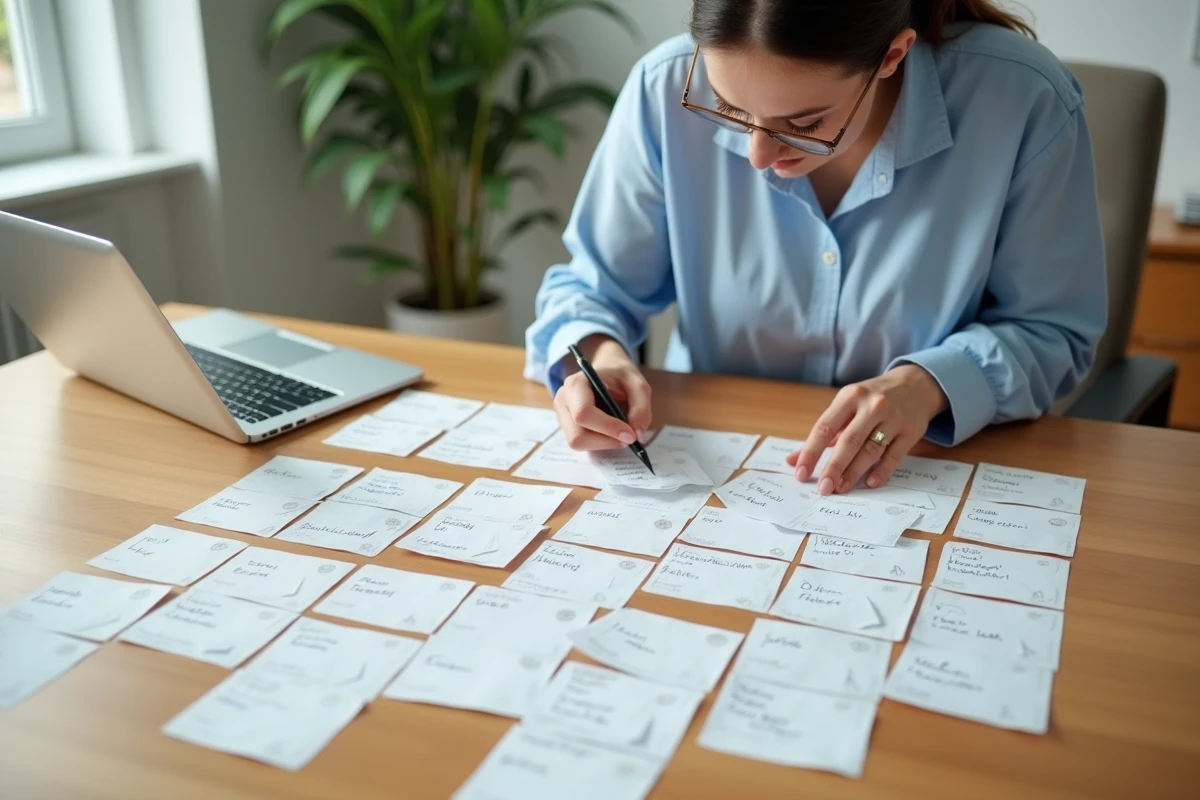
Classifying your revisions by theme (school dropout, school climate, orientation) produces redundant notes. Classifying by competency from the CPE reference framework forces you to cross themes and reason like the jury.
Each note should contain: the targeted competency, the associated regulatory texts, an example of a professional situation, and a model response in three steps (diagnosis, action, evaluation). This format makes the revisions directly applicable on the day of the oral exam.
5. Anticipate the realities of the first position in each response

Preparing for the exam without thinking about the real job is aiming for the score without building the right posture. Jurors quickly spot a candidate who recites principles without grounding. Violence among students, lack of human resources, contradictory injunctions between management and the educational team: these realities must come through in your responses.
When addressing a scenario, integrate a concrete constraint. For example: “If the establishment does not have enough educational assistants, how would you adapt the protocol?” This type of reasoning distinguishes a clear-sighted candidate from a theoretical one.
6. Practice the oral exam in a limited time with a visible timer
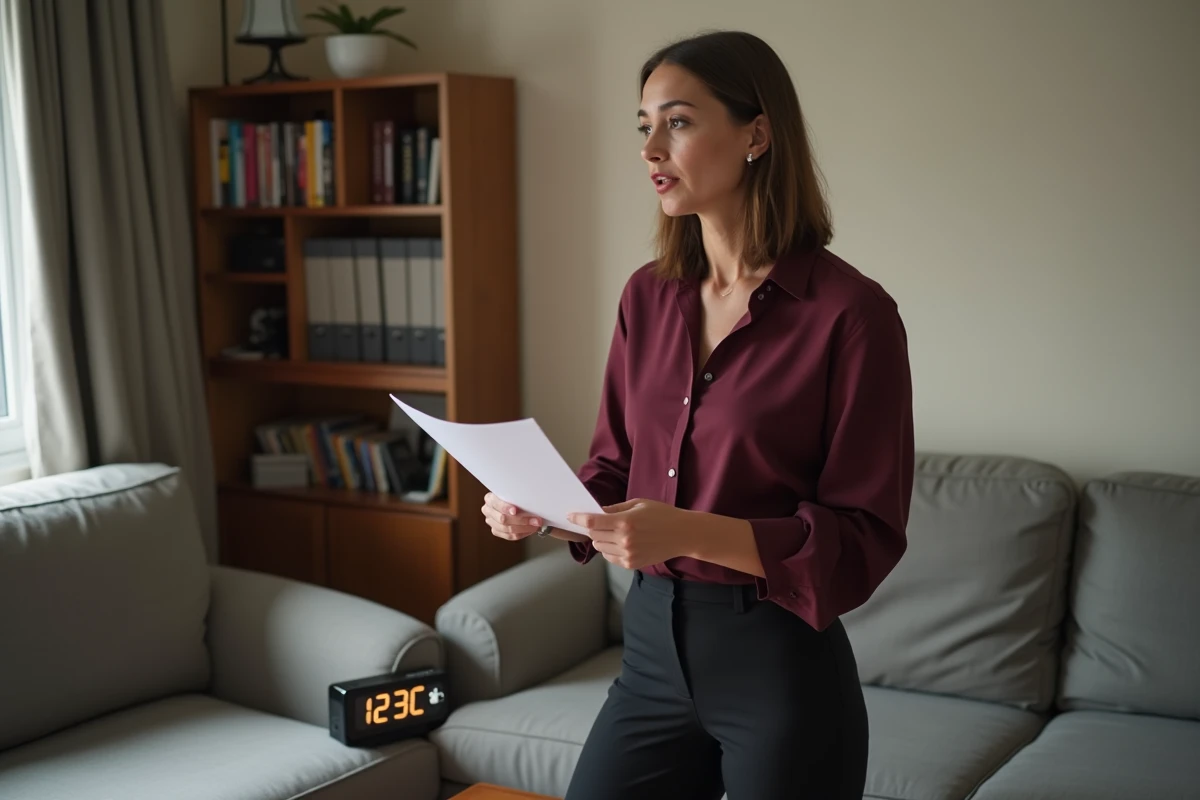
Time management is a filter in the oral exam. Many candidates master their subject but exceed the allotted time or rush their conclusion. Use a visible timer during each practice session.
Set a strict format for yourself:
- Introduction and framing of the subject in a maximum of two minutes
- Structured development in three parts, each calibrated to one-third of the remaining time
- Conclusion with a professional opening in one minute
Record yourself. Listening back reveals language tics, hesitations, and passages where you circle around an idea without clearly stating it.
7. Master the official bibliography rather than multiplying readings

The official bibliography for the exam exists for a reason: the jury refers to it. Reading five books outside the list does not provide as much as mastering two or three central references in depth. François Albaret, a former CPE and co-author of Réussir les concours de CPE, reminds us that having a solid culture in the field of education remains a prerequisite.
Prioritize active reading: summarize each chapter in a note, identify the concepts applicable in the exam, and link them to the competencies of the reference framework.
8. Simulate the interview with a professional in position
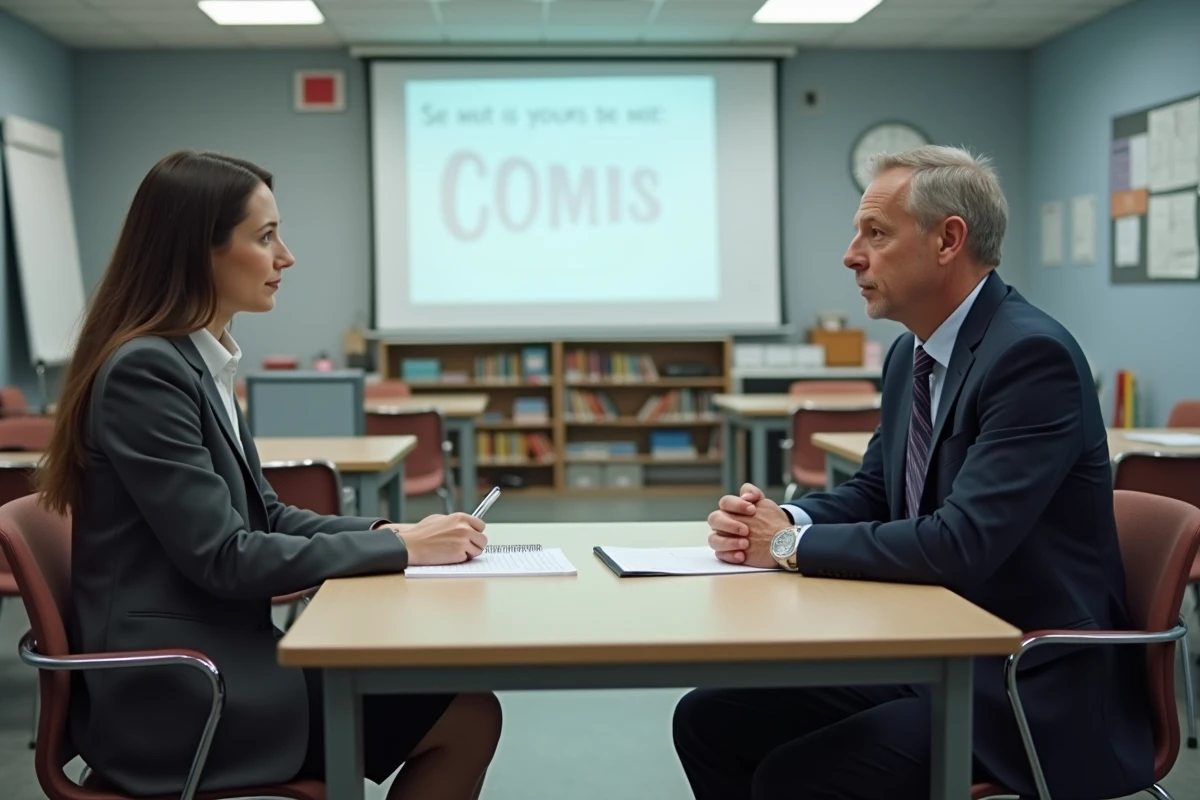
Practicing alone or with a fellow candidate has its limits. An active CPE or a member of the management team immediately spots overly academic responses. They can also confront you with realistic follow-up questions like “What if the parents refuse to cooperate?”.
If you do not have access to a professional in your circle, contact the academic sections of unions or CPE associations. Many offer volunteer simulations during the exam period.
9. Write a structured personal educational project from the beginning of your preparation

The admission interview assesses your ability to articulate a professional path consistent with the missions of the CPE. A well-written educational project early on serves as a guiding thread: it structures your readings, directs your notes, and gives coherence to your oral responses.
This document does not need to be long. One page is sufficient, provided it connects your experience (internships, educational assistance, volunteering) to the competencies of the reference framework and a concrete vision of the job.
10. Integrate CNED’s distance learning as a structuring complement

The distance preparation offered by CNED covers the tests of the external and internal exams. It provides a framework (schedule, corrected assignments, resources) that candidates working independently do not have.
This type of training does not replace personal work on scenarios and oral simulations. However, it imposes a regular work rhythm and fills gaps in institutional frameworks. For candidates preparing for the exam alongside a position as an educational assistant, this complement prevents scattering.
Success in the CPE exam relies on a balance between academic mastery and professional lucidity. Candidates who integrate the real constraints of the job into their preparation, rather than discovering them on the day of taking up the position, approach the tests with an advantage that the jury perceives from the first minutes.